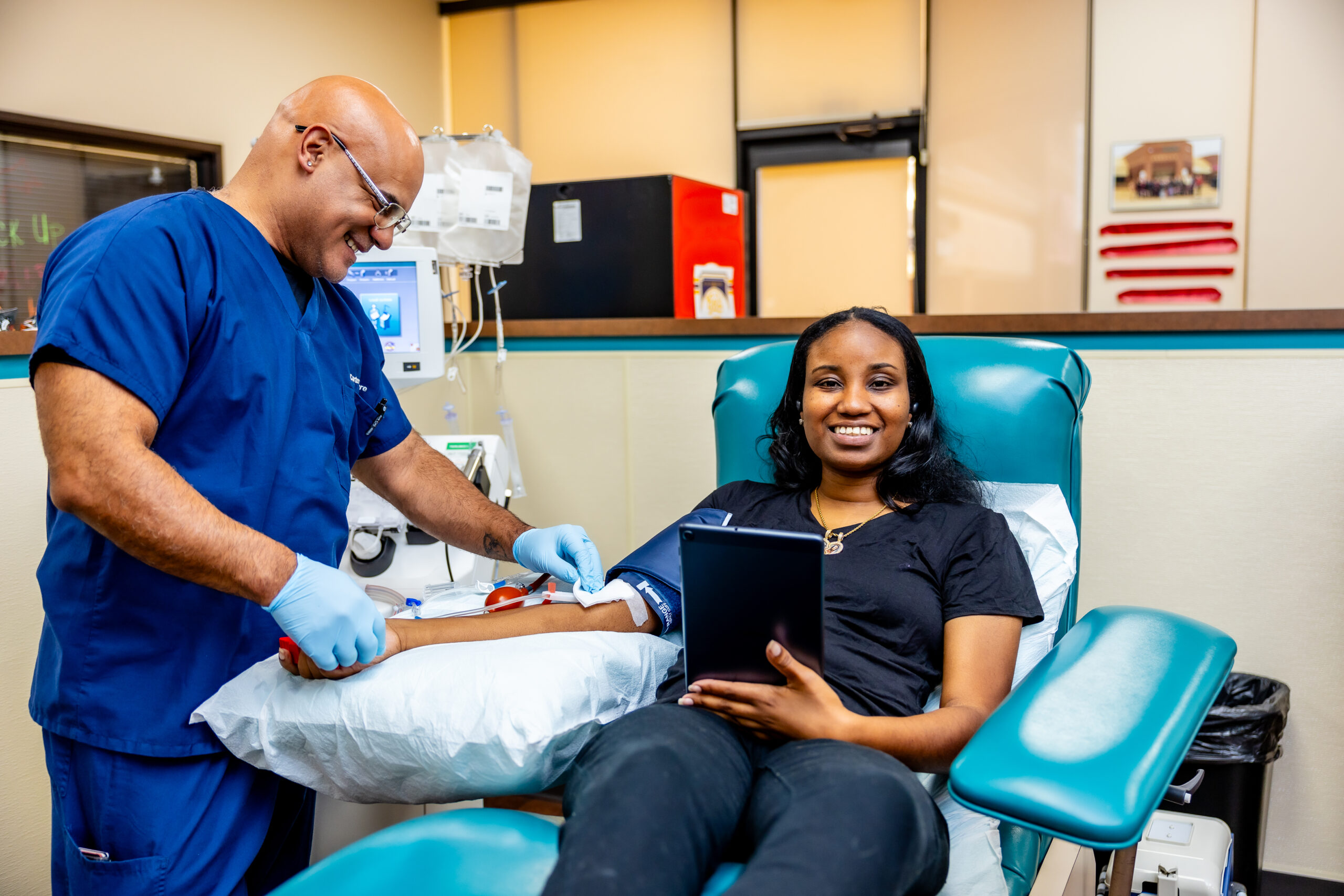


Blood donors join the fight against breast cancer in October
25% of the blood supply is used to help patients fighting cancer, reports Carter BloodCare
DALLAS – FORT WORTH (Oct. 1, 2026) – Carter BloodCare has issued a call-to-action for blood and platelet donors during Breast Cancer Awareness Month in October.
The nonprofit urges all eligible Texans to donate blood to help breast cancer patients and everyone in need of lifesaving transfusions.
Breast cancer is the most commonly diagnosed cancer among women in the United States, with 1 in 8 women diagnosed in her lifetime. Breast cancer accounts for about 30% of all new female cancers each year, according to the American Cancer Society.
Effective cancer treatments trigger a need for blood transfusion, whether to replenish blood loss during cancer surgery or low blood-cell counts due to chemotherapy. Patients receiving radiation and bone marrow transplants can require transfusions to prevent infections or excessive bleeding due to a lack of platelet production.
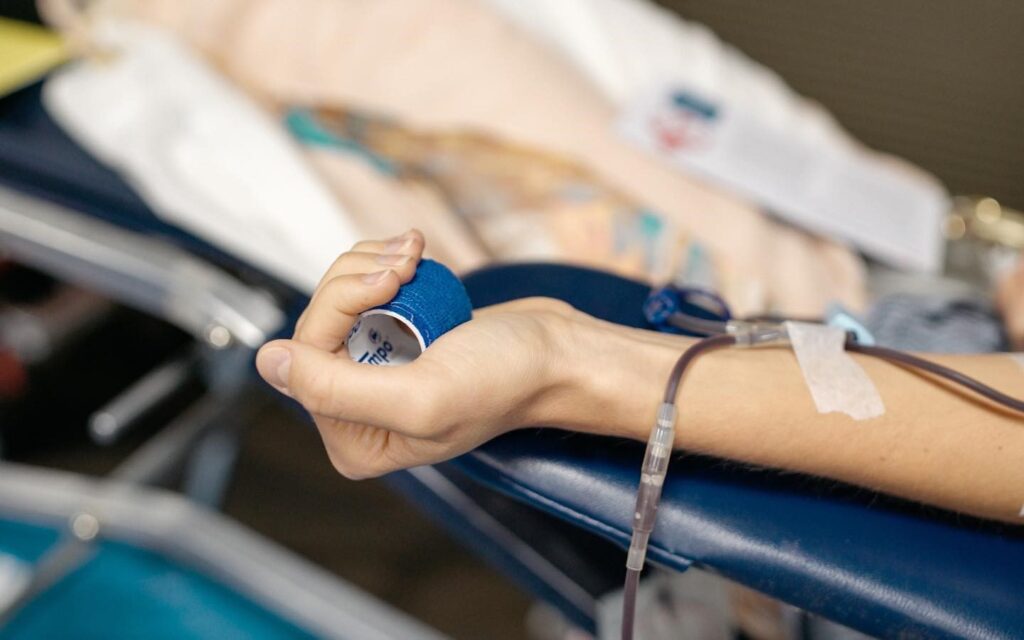
Health officials with Carter BloodCare note 25% of the community blood supply is used to support patients undergoing cancer-fighting procedures.
Currently, all blood types and components are needed, especially O negative and platelets. As the universal blood type, O negative can be used to treat any patient, regardless of their individual blood type. Platelets are necessary to slow or prevent bleeding and infections.
Donors can begin giving blood at age 16 with parental consent; those 17 and older can donate on their own at any Carter BloodCare location. Eligible donors must weigh at least 110 pounds and feel well on the day of donation.
To find a neighborhood Carter BloodCare blood drive or donor center, visit CarterBloodCare.org or call 800-366-2834 to make an appointment to save lives.
Companies, places of worship, schools, civic groups and others can host blood drives with Carter BloodCare to get the community involved.
Sources
National Breast Cancer Foundation: Facts and stats
American Cancer Society: Breast cancer statistics