

Blood donors comfort family living with ALS challenges
Widely known as Lou Gehrig’s disease, ALS (Amyotrophic Lateral Sclerosis) is a progressive neurodegenerative disease that affects nerve cells in the brain and spinal cord.
Importantly, these motor neurons control voluntary muscle movement. As these cells degenerate, they can no longer send messages to the muscles. This leads to muscle weakness, atrophy, and eventually, paralysis.
The U.S. Centers for Disease Control and Prevention (CDC) estimates there are approximately 30,000 Americans living with ALS.
Transfusions are crucial in ALS fight
While medication and therapy can slow ALS and reduce discomfort, there currently is no cure. ALS-related health issues can make blood transfusions necessary for those battling the disease.
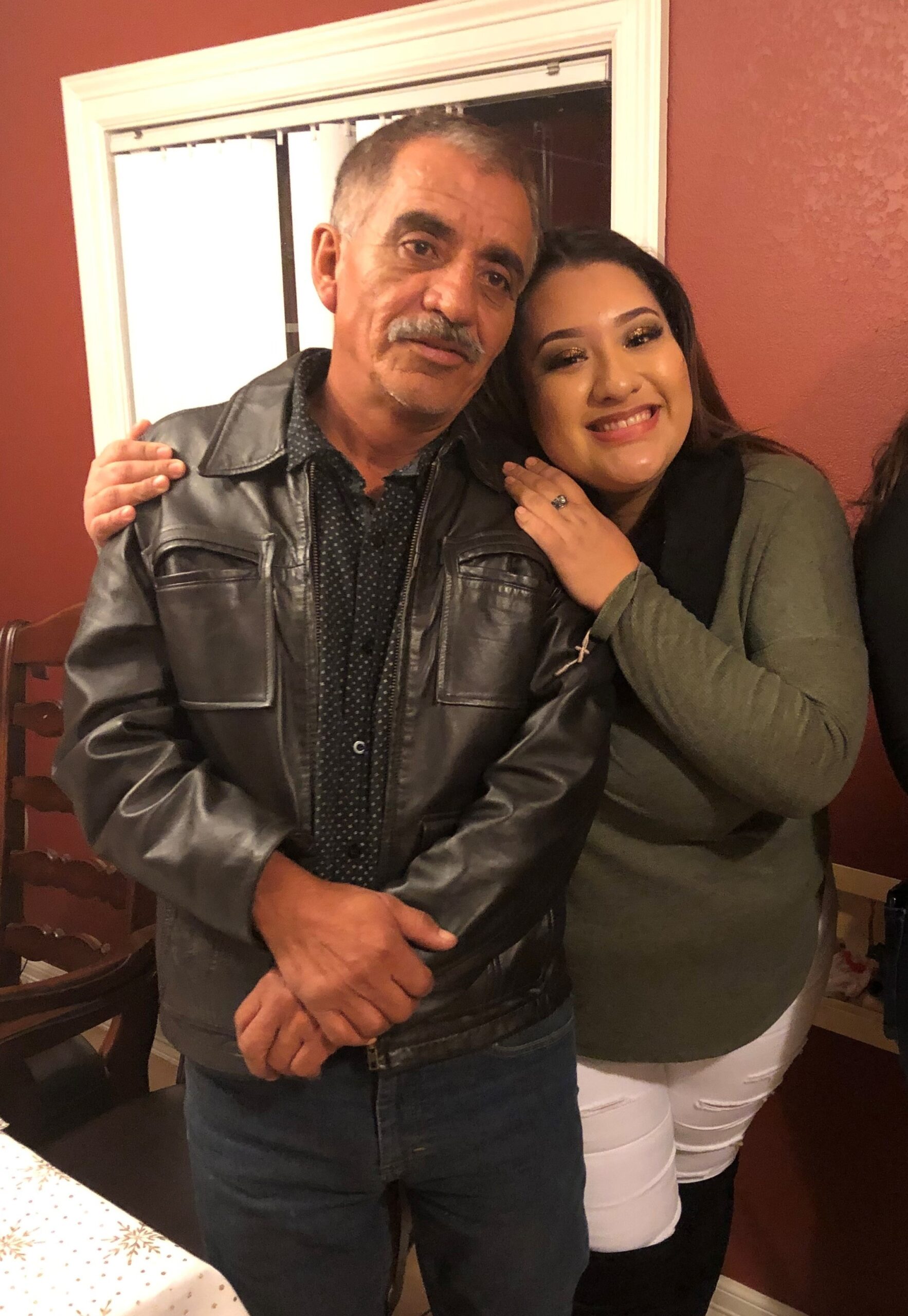
North Texan Laisa Torres shared that her father, Raul Torres, was diagnosed with ALS in August 2019.
“At the time, my family knew very little about this devastating illness and had no idea what challenges lay ahead,” Laisa said. “Since his diagnosis, my father has been in and out of the hospital numerous times, with each visit bringing a new complication associated with ALS, including collapsed lungs, infections, sepsis and the need for multiple blood transfusions.”
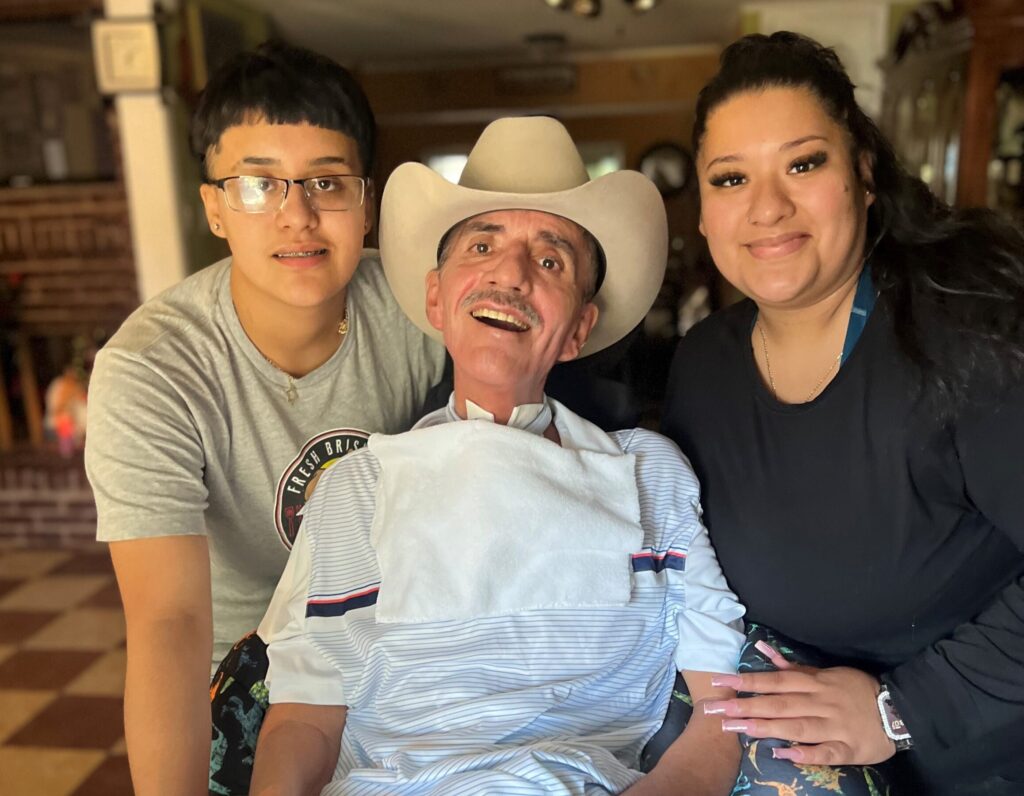
ALS is a terminal disease, with a typical life expectancy of two to five years after diagnosis. Laisa and her family are thankful that their father has now surpassed six years of living with ALS.
Although transfusions are not a specific ALS treatment, they are crucial in replacing blood lost due to related injuries and surgeries.
Donors are the difference
“This journey has been incredibly difficult, but our family is immensely grateful to all the selfless donors who have taken just one hour out of their day to donate blood, possibly giving my father and many others a few more months, if not years, with their loved ones,” Laisa said.
“Through this experience, I’ve come to deeply understand the vital importance of blood donation and the role it plays in our community’s well-being,” she said. “I’m proud to give back and support others going through their own medical journeys.”
Additional resources
ALS Therapy Development Institute
National Institute of Neurological Disorders and Stroke
Local patients need you. Please donate this week at your Carter BloodCare mobile blood drive or donor center. When you do, you’ll get a Donor Appreciation Gift.
And there’s another way you can help: If you’ve ever received a transfusion, your patient experience can motivate others to donate and save lives. All you have to do is simply Tell Us Your Story.