

Transfusions helped breast cancer survivor feel like “a new person”
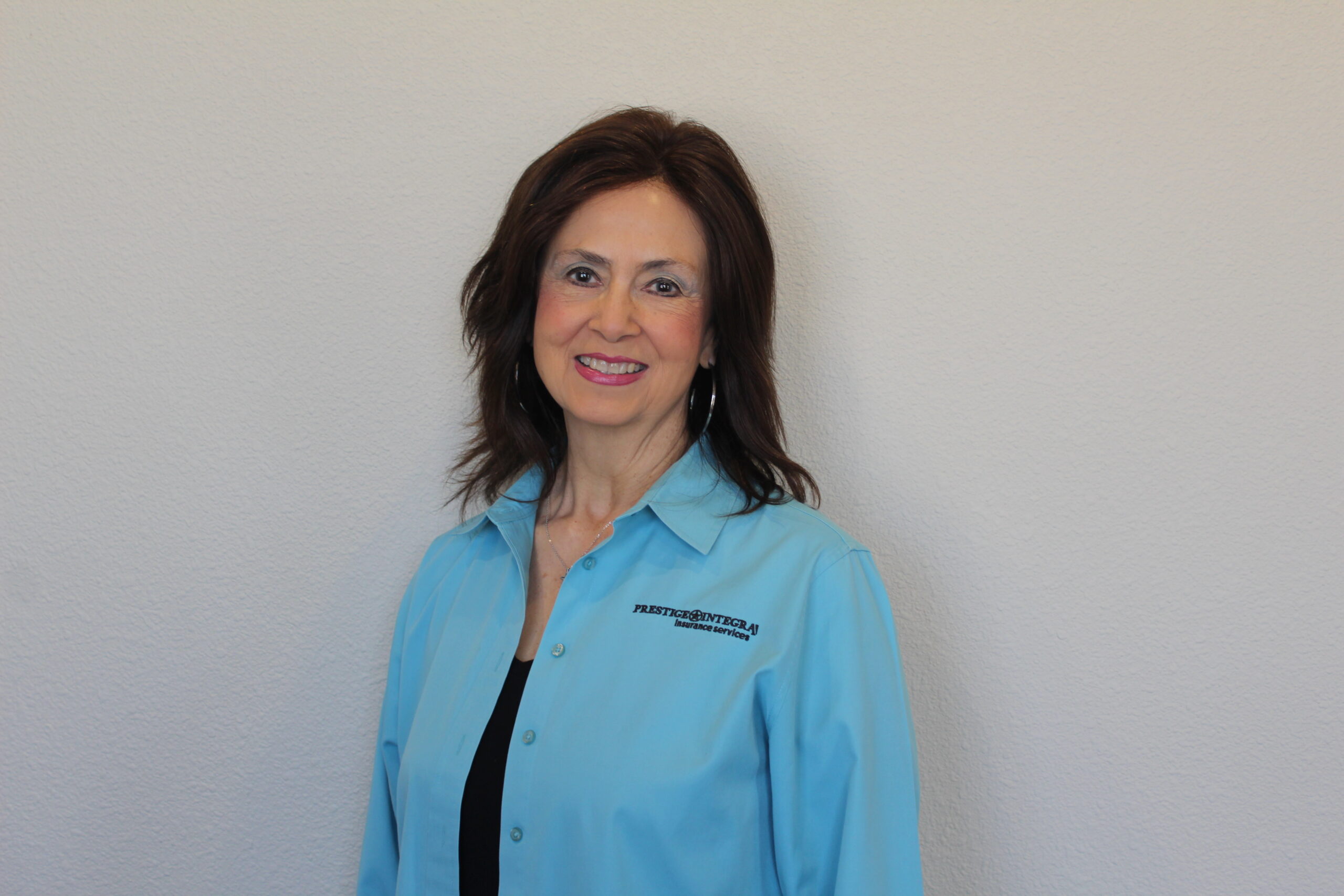
Volunteer blood donors are vital in battling the most diagnosed cancer among women
October is Breast Cancer Awareness Month, a crucial and lifesaving reminder about the importance of early detection, research and support.
Breast cancer is the most diagnosed cancer among women in the United States, with 1 in 8 women diagnosed in her lifetime.
It accounts for around 30% of all new female cancers each year, according to the American Cancer Society.
More than 322,000 new cases of invasive breast cancer are expected to be diagnosed in women in the United States in 2026, a number surpassing the entire population of Plano, Texas.
In addition, over 60,000 cases of non-invasive breast cancer are expected to be newly diagnosed in 2026.
Blood and platelet transfusions are part of cancer-fighting treatments
The year before, Greenville resident Liz Patterson received the unexpected news of her breast cancer diagnosis.
As a longtime blood donor beforehand, Liz knew that cancer-fighting regimens could require blood transfusions.
There are many reasons for including transfusions as part of effective cancer treatments, such as blood loss during cancer surgery and a drop in blood cell counts, a common side effect of cancer-fighting chemotherapy.
“The chemo treatments were really hard on my body,” Liz recalled. “I was getting to a point where I just could not function.”
Cancer warriors and their families can attest that chemotherapy can be a brutal and demanding process. While chemotherapy aims to aggressively heal, it also causes intense fatigue as it damages healthy cells along with cancer cells. This takes considerable energy for recovery.
“My oncologist prescribed a blood transfusion,” Liz said. “I was skeptical and a bit reserved to obtain a transfusion at the time.”
However, circumstances compelled Liz to overcome her reservations.
“It would have been detrimental to my health if I had not had the transfusion done,” she said.
Immediate impact of blood transfusion
The effects of the blood transfusion were prompt and potent.
“Within four hours, I felt like I was a new person,” Liz recalled. “Receiving the transfusion made such a difference in my health and my outlook.”
The health and quality of life benefits account for the use of 25% of the community blood supply to support patients undergoing cancer-fighting procedures.
And it’s possible because of volunteer donors.
Liz continues to encourage everyone who is eligible to donate blood or platelets and help breast cancer patients and all in urgent need of lifesaving transfusions.
“I am so thankful for all those in my community who stepped up to donate,” Liz said. “Blood donors helped me to be here today.”
Additional resources
National Breast Cancer Foundation
What’s new in breast cancer research
Liz reminds you that local patients need your help: Please donate this week at your nearby Carter BloodCare mobile blood drive or donor center. When you do, as a thank-you for supporting our community, you’ll receive a Donor Appreciation Gift.
And, if you’ve ever received a transfusion, your patient experience can motivate others to donate to save lives. You can make a difference when you Tell Us Your Story.