

Brenda’s anemia symptoms led to critical transfusions
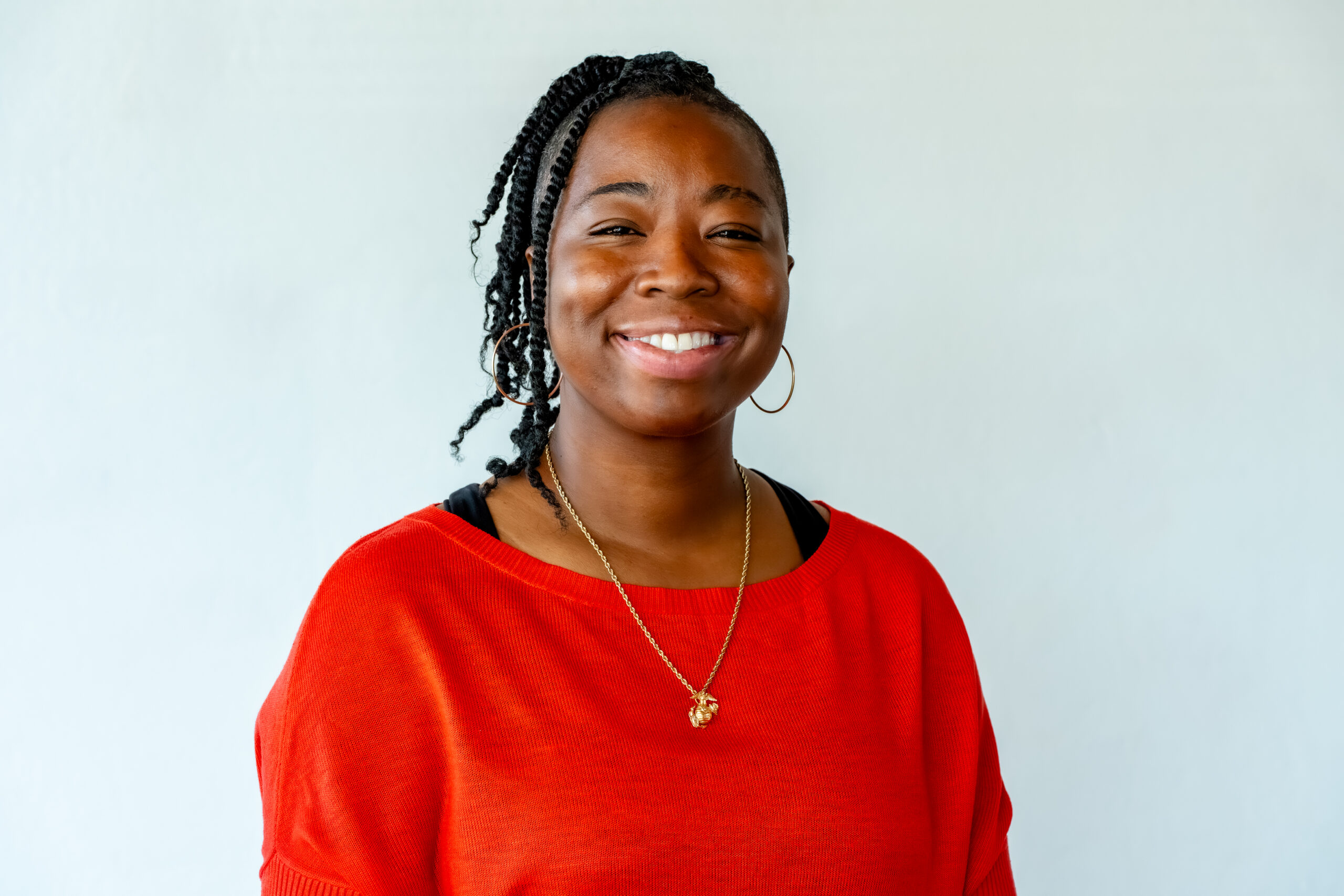
Brenda Scott did not realize she had severe anemia, but the signs were there.
“One day at work, I felt myself about to pass out, and I asked a co-worker to follow me to the hospital,” she recalled. “I was very fatigued, dizzy and cold, with a rapid heartbeat.”
Like Brenda, more than 3 million Americans are affected by anemia and may not know it, according to the U.S. Office on Women’s Health.
Anemia can occur if someone does not have enough hemoglobin in their system.
Hemoglobin is the vital iron and protein component in red blood cells that carries oxygen from the lungs to the entire body. A low number of red blood cells in circulation affects this constant, much-needed delivery of oxygen.
As Brenda learned, symptoms of anemia can include fatigue or overall tiredness, headaches, dizziness, shortness of breath, cold hands or feet, chest pains or irregular heartbeat, weakness, lack of energy, and difficulty concentrating or paying attention. Symptoms can worsen with stress or exercise.
At the hospital, doctors discovered Brenda’s hemoglobin was at an extremely low level of 4.
By comparison, a hemoglobin level of 12.5 g/dL or higher is necessary for women to donate blood. For men, the level is 13.0 g/dL.
Hemoglobin is always checked with a quick fingerstick test prior to blood donation, for instance. It is part of Carter BloodCare’s mini-health exams, which also involve taking a prospective donor’s blood pressure, temperature and heart rate.
Brenda recalled, “They got me together, and I was told to take iron supplements and eat more iron-rich foods to increase my hemoglobin levels.”
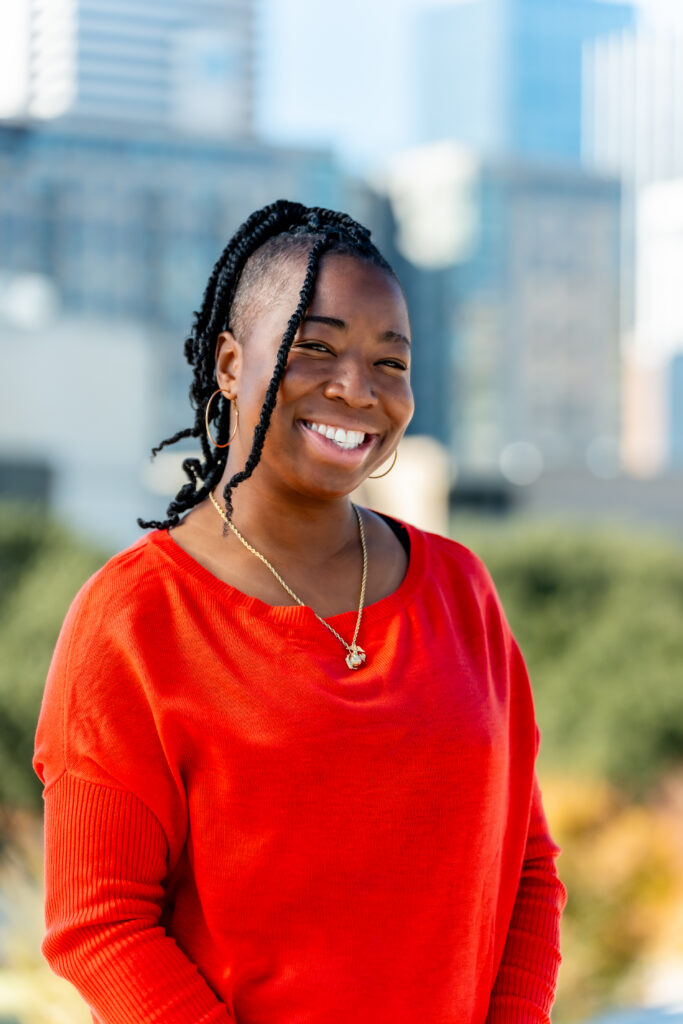
Patients and potential blood donors with low hemoglobin are often told to consume more foods such as red meat, eggs, beans, seafood, dark leafy greens, and many types of fruits and vegetables.
“I thought I was doing exactly what the doctor ordered, but not enough,” Brenda said. “A year later, my levels were still inconsistent. I was still experiencing fatigue, low energy, feeling cold all the time and dizziness.”
While some types of anemia may improve through dietary changes or supplements, blood transfusions can be an immediate course of action.
Brenda received her first transfusion in 2016.
Worrying symptoms led to a return trip to the hospital a couple of years later. Medical tests ultimately revealed uterine fibroids were causing her severe anemia.
Before undergoing hysterectomy surgery, the Dallas resident received additional transfusions to boost her hemoglobin levels.
Brenda saw a significant improvement afterward.
“The fatigue was no longer there, and I did not need to take iron supplements. I feel great today. I’m as healthy as ever. I wouldn’t have the quality of life I have now without those blood transfusions. They changed everything,” she said.
“I never expected to be in that kind of situation. I’ve been involved in athletics my whole life. I coach basketball, I played basketball, and health is super important. If you’re not healthy, you’re not on the sports floor, you’re not on the court, you’re not in the pool,” Brenda said.
Since her transfusion experience, Brenda has become a vocal, passionate advocate on the importance of blood donations.
“It truly saved my life,” she said. “I want people to know that donating blood really helps every single culture, every single person, age, race, gender, the whole gamut.”
And, for people who may be on the fence about becoming blood donors, she has some straight-forward advice.
“If you’re thinking about donating blood, do it. Just do it. Just give. You can’t go wrong with it,” Brenda said. “It’s something we all need. You’re going to help someone, and you never know when the person needing it will be you.”
Resources
Understanding your pre-donation test results
Local patients like Brenda need you. Please donate this week at your Carter BloodCare mobile blood drive or donor center. When you do, you’ll get a Donor Appreciation Gift.
Plus, there’s another way you can help: If you’ve ever received a transfusion, your patient experience can motivate others to donate blood to save lives. You can make a meaningful difference when you Tell Us Your Story.