

Donors deliver during high-risk pregnancy
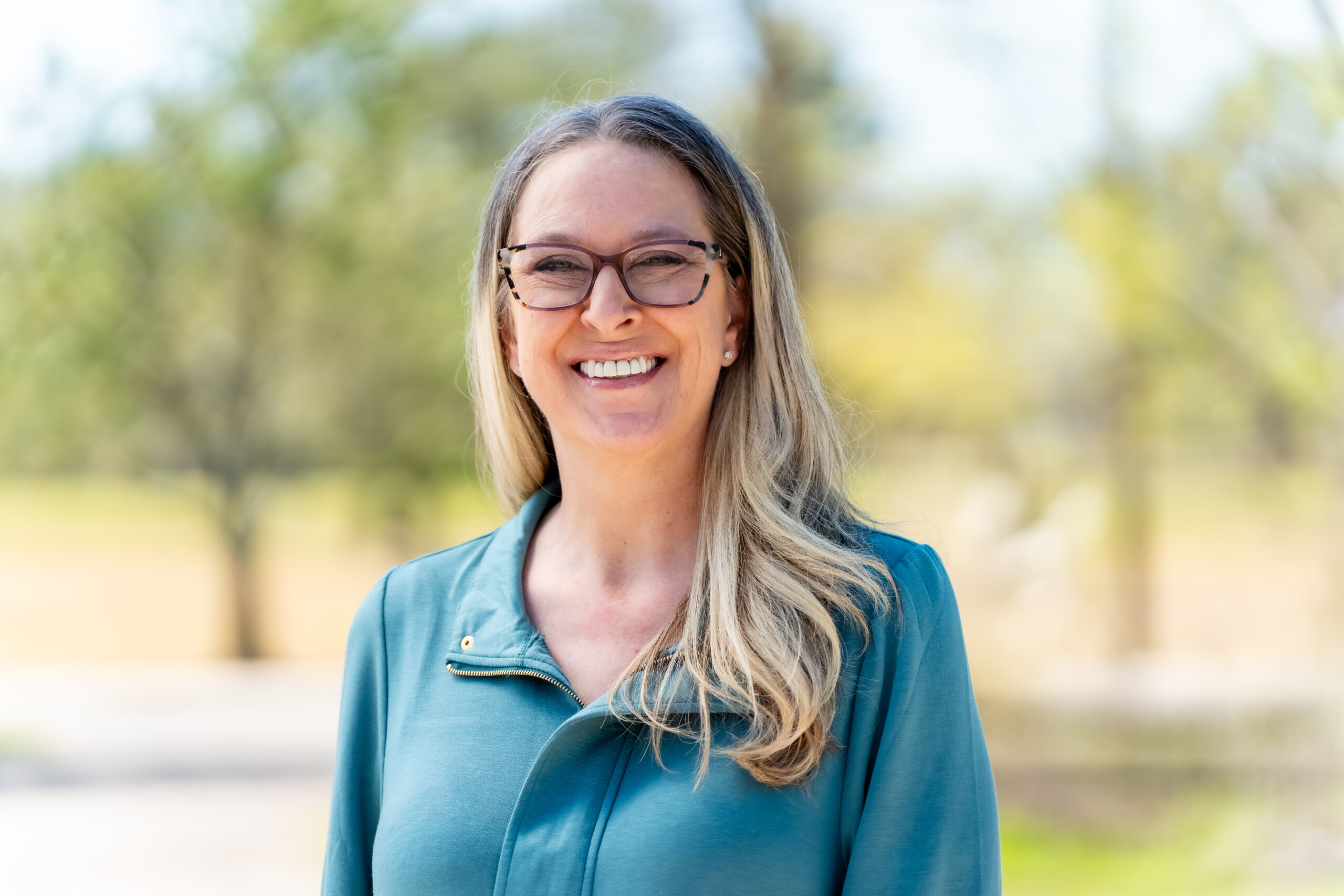
Blood donors provide lifesaving support in the delivery room
Complications during pregnancy and childbirth can jeopardize the health of a mother and her child. Excessive blood loss during labor can lead to severe anemia, and a transfusion is a critical lifesaver for replacing the patient’s lost blood.
In the United States, blood transfusions are needed in one out of every 83 maternity deliveries, a situation that Amanda Davis unexpectedly found herself in.
Amanda learned she was expecting her second set of twins in early 2010.
“It was a shock to say the least,” she recalled. “Due to previous complications, I was classified as a high-risk pregnancy.”
During her first visits with her OB/GYN, Amanda was diagnosed with a complete placenta previa. With placenta previa, the placenta attaches lower in the uterus and placental tissue covers the cervix. It is a major risk factor for bleeding during pregnancy, as well as postpartum hemorrhaging.
Because of this, “I had been on bed rest most of the pregnancy, but I begged my doctor to go back to work. I am a nurse and missed my job and patients greatly,” Amanda said.
With her physician’s approval, Amanda returned to the health care profession she loved in East Texas. During a routine work shift, however, she began bleeding heavily and was immediately airlifted to a hospital in Dallas. At 24 weeks into her pregnancy, Amanda was assigned strict bed rest.
“This was scary,” she said, “because I had gone into labor with my first child at 24 weeks and she passed away after living only five days.”
Weeks of hospital care followed. When Amanda began showing signs of labor, complications led to a rush to the operating room. She was intubated, prepped for surgery and delivered fraternal twins at 29 weeks.
Later, in the recovery room, the surgeon came to speak with Amanda and her husband.
“She told us that I almost died on the table due to massive bleeding,” Amanda recalled. “They were able to stabilize the bleeding along with a transfusion. I believe it was four to five units of blood that I received.”
Health care professionals are seeing situations such as this more often. The rate of transfusions needed in childbirth has increased by 54% in recent years.
Of those transfusions, O negative is the only blood type that can be used to treat premature and unborn babies. This puts O negative blood donors in high demand for saving young lives.
“Thanks to the generosity of blood donors, I am here today,” Amanda said. “I am so thankful to those that give regularly and for those donors who, I believe, gave the transfusion I received that saved my life.”
Amanda also reflected on the importance of other blood components for helping and healing.
“Although my first child passed away back in 2000, she received massive amounts of plasma. Although she did not make it, I am also grateful to those able to give plasma to help try to save her life,” she said.
Amanda and her family have recognized the difference that donors make in supporting mothers and their newborn children.
“Thank you to all that give and those involved in the entire process of blood donation, from those who collect, store, transport and more,” she said. “You are truly heroes.”
Additional resources:
Host a blood drive to support local families
Local patients need you. Please donate this week at your Carter BloodCare mobile blood drive or donor center. When you do, you’ll get a Donor Appreciation Gift.
And there’s another way you can help: If you’ve ever received a transfusion, your patient experience can motivate others to donate to save lives. You can make a difference when you Tell Us Your Story.